WELCOME TO TANZANIA

Climbing Kilimanjaro: Routes, Costs, Safety & Success Rates (2026 - 2027 Guide)

Stand on the summit of Africa’s highest peak with Wandora Africa Safaris.

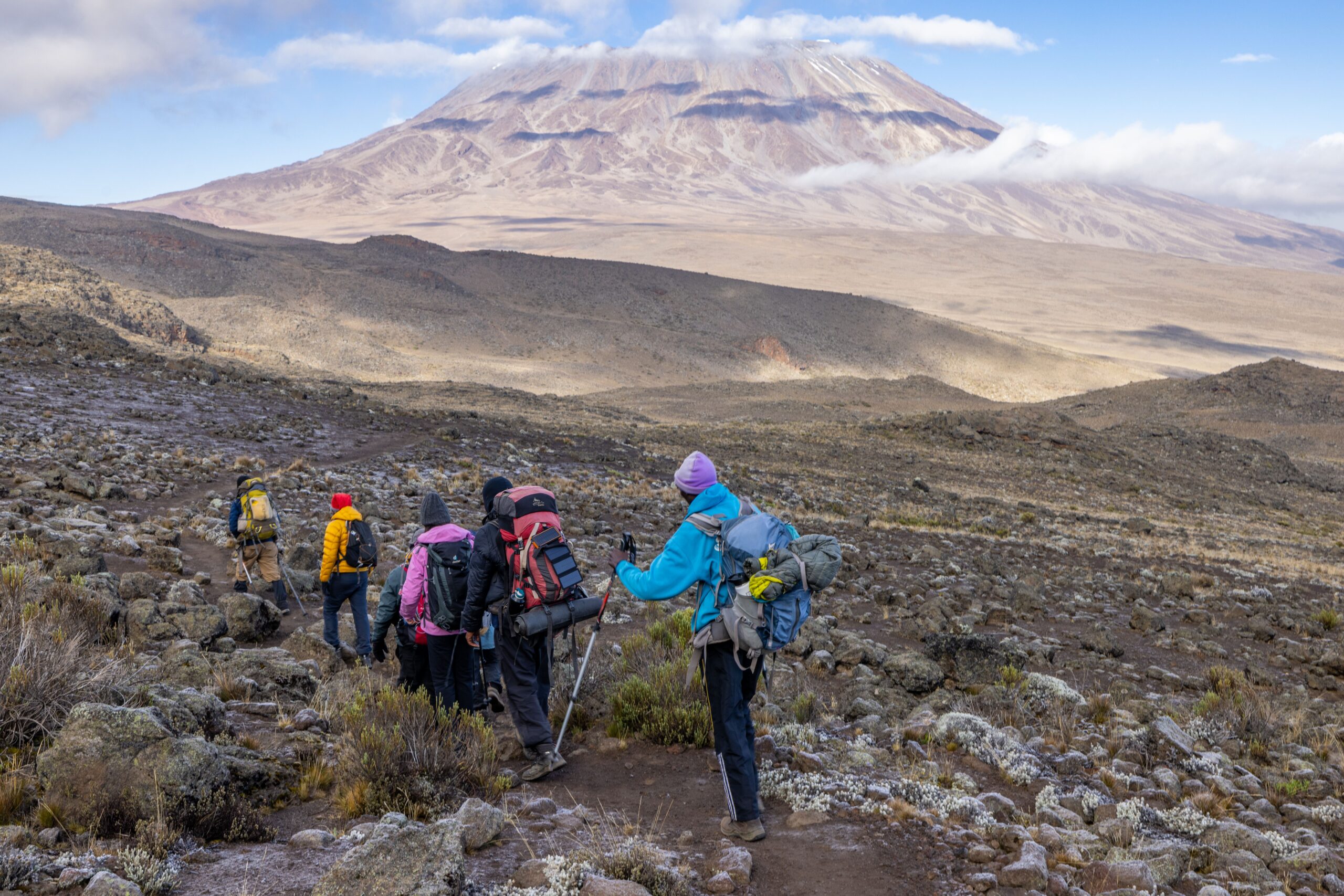
Climbing Kilimanjaro is a high-altitude trek to the summit of Africa’s highest mountain, which rises to 5,895 m (19,341 ft) above sea level. Often called the “Roof of Africa,” it is the tallest free-standing mountain in the world.

Unlike many famous peaks, reaching the summit does not require technical mountaineering skills. With proper acclimatization and preparation, most travelers with good general fitness can successfully complete the climb.

This guide covers everything you need to plan a successful expedition — routes, costs, success rates, training, acclimatization, safety, insurance, and travel logistics — based on 11 years of operations and more than 25,000 Kilimanjaro climbs.

Popular Kilimanjaro Trekking Tours

6 Days
Mountain Trekking
$2500 pp / person

7 Days
Medium
Mountain Trekking
$2790 pp / person

9 Days
Hard
Trekking & Hiking
$3200 pp / person

5 Days
Medium
Mountain Trekking
$1800 pp / person

Kilimanjaro Routes

Your route choice determines far more than just scenery—it dictates your body’s acclimatization curve, crowd density, and ultimate summit success. At Wandora Africa Safaris, we prioritize safety and success by offering tailored itineraries across the mountain’s top paths.

Marangu Route

Difficulty: Moderate

Duration: 5–6 days

Success Rate: ~54–66%

Often called the “Coca-Cola” route, it’s the oldest and busiest. It’s the only route with hut accommodations. While considered easier, its direct climbing can make acclimatization difficult, potentially lowering summit success rates.

Machame Route

Difficulty: Moderate–Challenging

Duration: 6–7 days

Success Rate: ~83%

Known for its scenic beauty and good acclimatization profile, this route is a popular choice. It involves camping and offers varied landscapes. Descending on a different path provides fresh views.

Lemosho Route

Difficulty: Moderate

Duration: 6–7 days

Success Rate: ~74–80%

This route starts in a more remote area, offering a quieter experience and stunning scenery. It’s known for its high success rates due to excellent acclimatization opportunities and longer climbing days.

Umbwe Route

Difficulty: Moderate–Challenging

Duration: 7–8 days

Success Rate: ~78–85%

Similar to Lemosho but starts at a higher altitude, which can pose acclimatization challenges. It eventually merges with the Machame route.

Shira Route

Difficulty: Challenging

Duration: 6–7 days

Success Rate: ~78–85%

The longest route, it circles the mountain, offering incredible views and the best acclimatization. This extended journey typically leads to a higher summit success rate.

Which route should you choose?

RouteRecommended DaysScenery ProfileTraffic VolumeAvg. Summit Success RateBest Suited For
Lemosho Route7–8 DaysSpectacular (Western rainforest to Shira Plateau)Moderate95% – 98%Best overall choice: Optimum balance of scenery, crowds, & acclimatization.
Machame Route7 DaysDramatic (Ridge climbs, Barranco Wall)High85% – 90%Active adventurers seeking physically rewarding, dynamic terrain.
Northern Circuit8–9 Days360° Panoramas (Wild, unpopulated northern slopes)Very Low95%+Solitude seekers wanting maximum acclimatization & pristine wilderness.
Rongai Route6–7 DaysOpen & Arid (Views over Kenya & Mawenzi Peak)Low80% – 85%Wet-season climbers: Drier microclimate on the northern lee side.
Marangu Route5–6 DaysClassic Forest & Moorland (Same ascent/descent trail)Moderate65% – 75%Hut lovers: Hikers who prefer permanent solar-powered wooden huts over tents.


Best Time to Climb Kilimanjaro

While Kilimanjaro can be climbed year-round due to its proximity to the equator, conditions vary significantly between dry seasons and tropical rain cycles:

Jan   Feb   Mar   Apr   May   Jun   Jul   Aug   Sep   Oct   Nov   Dec
[-- BEST --]  [--- RAINS ---] [------ PEAK DRY SEASON ------] [SHORT] [BEST]

☀️ June to October (The Main Dry Season — Recommended)

  • Conditions: Clear skies, minimal rainfall, and crisp, sunny days.

  • Pros: Ideal trail conditions, dry paths, and unmatched visibility across the savannah.

  • Cons: Cold nights at high altitude; higher trail traffic during July and August.

🌤️ January to March (The Warm Dry Window — Excellent Choice)

  • Conditions: Warmer temperatures on the lower slopes with clear, brilliant morning skies.

  • Pros: Quieter trails compared to July/August; higher chances of snow framing the summit crater rim.

  • Cons: Higher probability of afternoon cloud cover or light localized showers in the rainforest zone.

🌧️ April to May & November (The Rainy Seasons)

  • Heavy Rains (April–May): Deep mud in rainforest zones, snow accumulation near the summit, and lower visibility. Recommended only for experienced, well-equipped hikers utilizing the drier Rongai Route or staying in Marangu’s huts.

  • Short Rains (November): Brief, intermittent afternoon showers. Trails remain quiet and offer great opportunities for photogenic cloudscapes.

Preparation & Training

Climbing Kilimanjaro requires more than just a desire to reach the summit; it demands thoughtful preparation. A solid training plan is your best ally. Focus on building a strong aerobic base. This means regular cardiovascular exercise. Think hiking, running, cycling, or swimming. Aim for consistency, ideally four to five days a week.

Incorporate strength training, especially for your legs and core. Squats, lunges, and planks will serve you well. Don’t forget to practice hiking with a weighted backpack. This simulates carrying your gear on the mountain. Gradually increase the weight and duration of these training hikes. If possible, seek out hills or stairs to mimic the sustained climbs you’ll encounter.

Key training elements

  • Cardiovascular endurance: Engage in activities that elevate your heart rate for extended periods. Aim for 45–90 minute sessions.
  • Strength training: Focus on lower body and core exercises to support your climb.
  • Hiking practice: Regularly hike with a weighted pack, ideally on varied terrain.
  • Mental preparation: Prepare yourself mentally for the challenges. Break down the climb into smaller, manageable goals.

The descent is often underestimated. Training should include downhill hiking or step-down exercises to prepare your joints. Trekking poles are highly recommended for stability and to reduce impact.

It’s also wise to practice hiking in conditions similar to what you might face. This includes wearing your hiking boots and clothing. Ensure your gear is comfortable and well-tested before the expedition. Remember, consistent effort in your training leads to a more enjoyable and successful climb.

 

Any Question?

Ready to Witness the Magic of the Wild?

Whether you’re dreaming of the Great Migration across the Serengeti, standing triumphantly on the summit of Kilimanjaro, or unwinding on the shores of Zanzibar, your bespoke journey starts here. Let our experts craft your dream

Talk to an Expert (Our Tour Operator)

+255 746 056 017